When school resumes in Nashua, traffic patterns shift, creating crowded crosswalks filled with kids, parents, joggers, and dog walkers. More pedestrians and pets increase the risk of accidents, especially when combined with distracted driving. Knowing the risks and following safety tips can protect your family and community.
Table of Contents
- Why Does Back-to-School Traffic Create More Pedestrian Risks?
- Why Do Dogs on Leashes Increase Crosswalk Risks?
- How Does Distracted Driving Make Crosswalks More Dangerous?
- What Should You Do If You’re Injured in a Nashua Crosswalk Accident?
- FAQs
Why Does Back-to-School Traffic Create More Pedestrian Risks?
When schools reopen, the volume of young pedestrians around Nashua spikes. Kids are walking to bus stops, crossing streets near schools, and riding bikes on neighborhood roads. Many are still learning the rules of the road, which means drivers need to be especially alert.
Morning and afternoon drop-off and pick-up times are peak danger zones. Congested school zones, impatient drivers, and distracted walking can create a risky mix. In New Hampshire, drivers must stop for pedestrians in a crosswalk. That law exists for a reason: a car moving at just 25 mph can cause serious injury to a pedestrian.
If you’re driving, slow down well before crosswalks and be ready to stop. Avoid rolling stops, children may think you’re giving them the go-ahead when you’re not. If you’re walking, especially with kids, make eye contact with drivers before crossing. Teach children to pause, look both ways, and cross only when vehicles have fully stopped.
Parents can also help by choosing the safest walking routes for their children, even if it means taking a slightly longer path. Routes with sidewalks, marked crosswalks, and crossing guards greatly reduce the risk of an accident.
Why Do Dogs on Leashes Increase Crosswalk Risks?
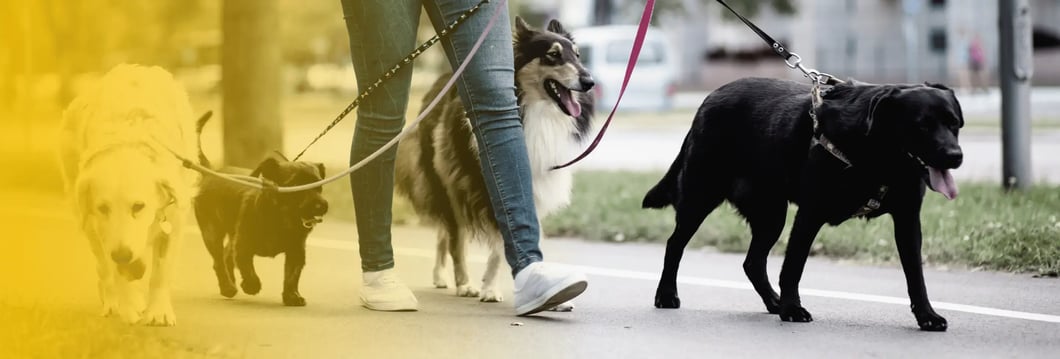
Fall in Nashua is prime time for dog walks. The heat of summer fades, and owners take advantage of the season to get outside. While this is great for our pets, it also means more four-legged pedestrians crossing streets, especially in residential neighborhoods and around parks.
Dogs don’t understand traffic laws. A squirrel, another dog, or even a rustling leaf can cause them to dart into the street. That’s why leash control is critical near crosswalks and intersections. A distracted or loose dog can quickly pull into the path of an oncoming vehicle.
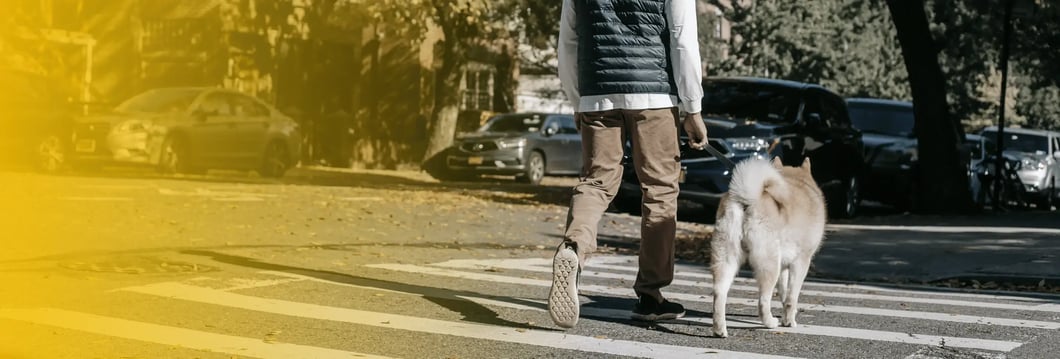
Drivers should remember that pedestrians include those walking dogs. Give extra space and slow your speed when approaching crosswalks where owners and pets are waiting. If you’re a dog owner, keep leashes short when crossing and wait until you’re safely on the sidewalk before letting your pet explore. Even a friendly dog can create a sudden hazard if they pull unexpectedly.
Dog owners should also consider visibility. Reflective leashes, collars, or harnesses can make you and your pet easier to spot during early morning or evening walks, which is especially important as daylight hours get shorter in the fall.
How Does Distracted Driving Make Crosswalks More Dangerous?
One of the biggest threats to crosswalk safety in Nashua is distraction. Drivers looking at GPS directions or glancing at a phone can miss a pedestrian entirely. Pedestrians scrolling through social media or wearing noise-canceling headphones may step into traffic without realizing it.
The stakes are higher in the fall. With daylight fading earlier, visibility decreases during peak walking hours. Add in wet leaves on the pavement, unpredictable weather, and heavier vehicle traffic, and you have a recipe for accidents.
The solution is simple but requires commitment. Drivers should put phones out of reach and focus on the road, especially near schools, parks, and downtown crosswalks. Pedestrians should keep their eyes up, avoid wearing both earbuds while crossing, and wear bright or reflective clothing during early morning or evening walks.
Cyclists should also be part of this conversation. Bike riders crossing at crosswalks should dismount and walk their bikes when possible, especially in crowded pedestrian areas. This helps drivers gauge movement more easily and prevents collisions with walkers or pets.

What Should You Do If You’re Injured in a Nashua Crosswalk Accident?
If you or a loved one has been injured in a crosswalk accident in Nashua, you don’t have to handle the aftermath alone. The team at Buckley Law Offices is here to help you understand your rights and fight for the compensation you deserve. Call us right now for a free consultation.

FAQs
Why are crosswalks more dangerous during back-to-school season?
Because children, parents, and buses flood the roads during morning and afternoon hours, creating heavy congestion and unpredictable pedestrian movements.
What time of day are Nashua crosswalks riskiest?
The most dangerous times are between 7:00–9:00 a.m. and 2:00–4:00 p.m., when children are heading to or from school.
How can parents keep kids safer when walking to school?
Parents should select routes with sidewalks, marked crosswalks, and crossing guards whenever possible. Teaching kids to make eye contact with drivers before crossing is also essential.
What risks do dogs add at crosswalks?
Even well-trained dogs can suddenly lunge or dart into the road, pulling their owner into traffic. Keeping leashes short near crosswalks reduces the risk.
How can drivers avoid crosswalk accidents with dogs and kids present?
Slow down well before crosswalks, avoid rolling stops, and give extra space to pedestrians with pets. Anticipating sudden movements prevents collisions.
What role does visibility play in crosswalk safety?
With shorter daylight hours in the fall, reflective gear and bright clothing make both pedestrians and pets easier for drivers to see.
Should cyclists dismount at crosswalks in Nashua?
Yes. Walking a bike across busy pedestrian areas makes it easier for drivers to judge movement and reduces the chance of collisions.